The Silmarillion Explained: Complete Beginner Reading Guide
Reader Summary: Approaching the silmarillion successfully requires treating it as a mythological scripture rather than a conventional novel. The volume comprises five distinct works tracing the creation of the cosmos through to the War of the Jewels and the drowning of Numenor.
Mythology precedes history. For readers who fell in love with hobbits wandering through cozy taverns and quiet country roads, opening J.R.R. Tolkien’s legendary masterpiece can produce immediate literary disorientation. Instead of conversational dialogue and gradual character introductions, readers encounter an elevated, biblical prose style chronicling the creation of the universe and the tragic wars of ancient elven princes.
How Is The Silmarillion Structured Across Five Mythological Books?
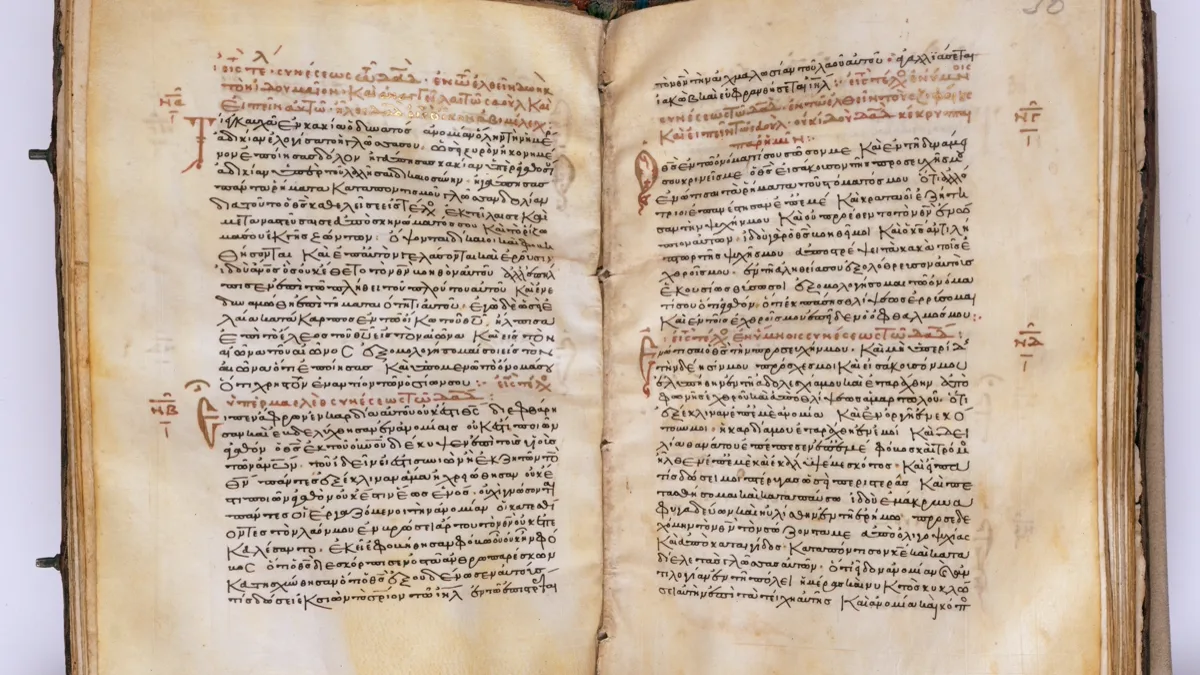
The collection known as the silmarillion is structured across five distinct books rather than a single continuous novel, spanning from cosmic creation to the Third Age. Published posthumously in 1977, these five sections provide the mythological foundation for all of Tolkien’s subsequent writing.
Form dictates tone. Understanding the individual identity of each internal work prevents reader fatigue, as each book shifts in perspective, temporal scale, and narrative intimacy:
- Ainulindale (The Music of the Ainur): The majestic creation myth. Eru Iluvatar introduces a grand musical theme to the angelic Ainur, which manifests visually into the physical cosmos (Ea) despite the discordant rebellions of Melkor.
- Valaquenta (Account of the Valar and Maiar): A brief mythological directory describing the powers, attributes, and domains of the fourteen angelic guardians (the Valar), their lesser attendants (the Maiar), and the fallen arch-enemy Melkor.
- Quenta Silmarillion (The History of the Silmarils): The heart of the volume, containing twenty-four chapters. It chronicles the creation of the three radiant gems by Feanor, the darkening of Valinor, the exile of the Noldor to Middle-earth, and five centuries of tragic warfare against Morgoth in Beleriand.
- Akallabeth (The Downfall of Numenor): A self-contained second-age tragedy recounting how Sauron corrupted the great island kingdom of mortal men, culminating in the physical drowning of Numenor beneath the ocean.
- Of the Rings of Power and the Third Age: A concise historical overview synthesizing how the Rings of Power were forged in Eregion, providing direct narrative connective tissue leading into the War of the Ring.
Tracing these structural divisions alongside the broader chronological ages of Middle-earth clarifies how individual heroic sacrifices directly shaped the third-age geopolitical landscape.
What Is the Best Strategy to Read Without Getting Overwhelmed?
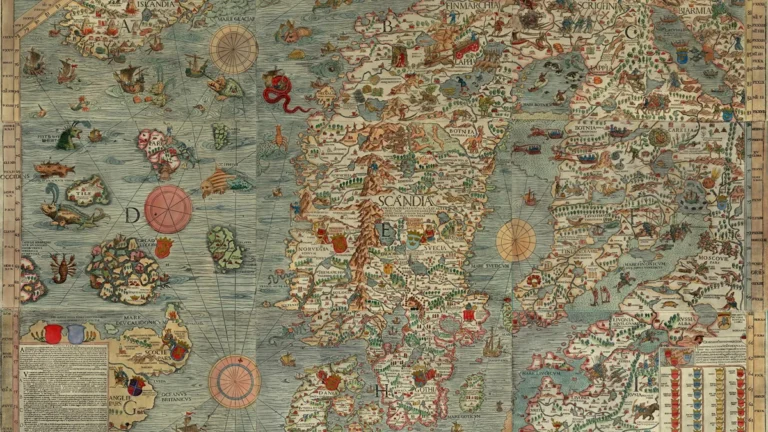
The best strategy to read without getting overwhelmed is to treat genealogical lists and geographical surveys as reference tools rather than trying to memorize every name. Keeping a regional map of Beleriand open and focusing on primary character motivations allows readers to maintain strong narrative momentum.
Approach transforms experience. Literature scholars at The Tolkien Society emphasize that readers struggle most when they attempt to read the text like a modern fantasy thriller. Instead, adopting three practical habits ensures a smooth reading journey:
- Keep the Beleriand Map Open: Physical geography is essential to military maneuvers in the First Age. Studying the mountain barriers of the Encircling Mountains (Echoriath) and the flow of the River Sirion brings military sieges to life.
- Consult Family Trees in the Appendix: Do not panic when encountering similar-sounding elven names (such as Finwe, Feanor, Fingolfin, and Finarfin). Check the genealogical charts at the back of the book whenever a new chieftain appears.
- Treat Chapter 14 as a Gazetteer: Chapter 14, titled “Of Beleriand and Its Realms”, is an exhaustive geographical catalogue of territories and borders. Read it leisurely to visualize the general landscape, but do not stall your progress trying to memorize every stream.
Readers exploring our Middle-earth lore archive frequently reference these structural guides to enrich their understanding of ancient legendarium texts.

Who Are the Essential Noldorin Rulers and Family Houses?
The essential Noldorin rulers stem from the royal lineage of High King Finwe, whose three sons founded the three distinct branches of the exiled Noldor: the House of Feanor, the House of Fingolfin, and the House of Finarfin. Their competing oaths and loyalties drive the entire conflict of the First Age.
Lineage governs political destiny. In the First Age, political alliances and military disasters hinged upon ancient blood feuds and sworn oaths. The three royal houses separated into distinct factions:
| Royal House | Prominent Figures | Territorial Seat | Historical Significance |
|---|---|---|---|
| House of Feanor | Feanor, Maedhros, Maglor, Celebrimbor | Himring and East Beleriand | Crafted the Silmarils; bound by the terrible Oath that caused the three Kinslayings |
| House of Fingolfin | Fingolfin, Fingon, Turgon, Aredhel | Hithlum and Gondolin | Held the High Kingship in exile; led the Siege of Angband; established hidden Gondolin |
| House of Finarfin | Finrod Felagund, Galadriel, Aegnor | Nargothrond and Dorthonion | Maintained closest friendship with the Sindar and mortal Men; founded hidden Nargothrond |
Character motivations become crystal clear once you identify which house a leader represents. The pride of the Feanorians stands in stark contrast to the noble diplomacy of Finrod and the enduring wisdom of Galadriel.

Which Three Standalone Tales Form the Emotional Core?
Three standalone tales form the emotional core of the mythology: *The Tale of Beren and Luthien*, *The Children of Hurin*, and *The Fall of Gondolin*. J.R.R. Tolkien considered these interconnected legends the cornerstone achievements of his entire secondary world.
Heroism confronts doom. While the overarching book chronicles massive military campaigns, these three narratives focus on individual mortal sacrifice, tragic fate, and transcendent love:
- Of Beren and Luthien (Chapter 19): The poignant romance between a mortal warrior and an immortal elven maiden who daringly infiltrate the iron fortress of Angband to cut a Silmaril directly from Morgoth’s iron crown. This story held profound personal meaning for Tolkien, whose joint tombstone with his wife Edith bears the names Beren and Luthien.
- Of Turin Turambar (Chapter 21 / The Children of Hurin): A bleak, Sophoclean tragedy chronicling the cursed life of Turin, whose heroic valor is repeatedly undone by pride, misjudgment, and the psychological malice of the dragon Glaurung.
- Of Tuor and the Fall of Gondolin (Chapter 23): The dramatic narrative of mortal messenger Tuor, guided by the sea-god Ulmo to the hidden city of Gondolin, culminating in the fortress city’s fiery destruction by balrogs and mechanical siege beasts.
Recognizing how these First Age heroics connect with the geographical map of Middle-earth enriches your understanding of ancient ruins like Weathertop and the Barrow-downs.
How Did Christopher Tolkien Assemble the Manuscript in 1977?
Christopher Tolkien assembled the manuscript in 1977 by collating decades of his late father’s scattered notes, working drafts, and poetic cycles spanning from 1917 to 1973. Working alongside Canadian fantasy author Guy Gavriel Kay, Christopher constructed a unified narrative text that honored his father’s lifelong artistic vision.
Devotion preserved heritage. When J.R.R. Tolkien passed away in 1973, he left behind a vast, unorganized archive of manuscripts in varying stages of revision. Christopher spent four years transcribing handwritten fragments, harmonizing contradictory character names, and drafting connecting narrative passages where gaps existed.
While some literary purists debate individual editorial choices, Christopher Tolkien’s tireless scholarship rescued the foundational mythology from archival obscurity, establishing the indispensable text that readers cherish today.
First Age Mythology Myths vs Textual Facts
| Common Assumption | Textual Reality | Primary Text Reference |
|---|---|---|
| The Silmarils held magical wishing power | The Silmarils contained no wish-granting magic; they preserved the pristine holy light of the Two Trees of Valinor. | Quenta Silmarillion, Chapter 7 |
| Sauron is the ultimate villain of the book | Sauron is merely the primary lieutenant of the true Dark Lord, Morgoth (Melkor), who was the source of all evil. | Valaquenta and Quenta Silmarillion |
| Tolkien wrote the book after The Lord of the Rings | Tolkien began the mythology in 1917 during World War I, decades before writing The Hobbit or The Lord of the Rings. | The Letters of J.R.R. Tolkien, Letter 131 |
| Beleriand was just another name for Eriador | Beleriand was an immense western subcontinent that was completely broken and drowned beneath the sea during the War of Wrath. | Quenta Silmarillion, Chapter 24 |
Frequently Asked Questions About The Silmarillion
Can you read The Silmarillion before The Lord of the Rings?
While you can read it first in chronological terms, we recommend reading The Hobbit and The Lord of the Rings first. The accessible narrative style of the main trilogy helps build curiosity about ancient lore, making the archaic prose of the mythology far more rewarding.
What are the Silmarils and why are they so important?
The Silmarils are three peerless, glowing gemstones crafted by the elven prince Feanor. They captured and preserved the blended living light of the Two Trees of Valinor. When the Dark Lord Morgoth destroyed the trees and stole the gems, the elves swore a tragic oath to wage war to reclaim them.
Is The Silmarillion harder to read than The Lord of the Rings?
Yes, it is generally considered more challenging due to its non-linear episodic structure, hundreds of character names, and archaic prose resembling Norse sagas and biblical chronicles. However, utilizing chapter summaries and family trees makes the reading experience immensely manageable.
Does Gandalf appear in The Silmarillion?
Gandalf appears briefly under his original angelic Maia identity, Olorin. In the Valaquenta, he is described as the wisest of the Maiar, who dwelt in the gardens of Lorien and learned patience, pity, and compassion from the Vala Nienna.
Which standalone books expand on stories from The Silmarillion?
Christopher Tolkien edited three standalone novels that expand chapters from the work: The Children of Hurin (2007), Beren and Luthien (2017), and The Fall of Gondolin (2018), each providing detailed reconstructed drafts and alternative poetic versions.
How we researched this: Textual analysis, chapter breakdowns, and family lineages were compiled from J.R.R. Tolkien’s The Silmarillion (1977 edition), Christopher Tolkien’s 12-volume scholarly series The History of Middle-earth, and biographical documentation from Humphrey Carpenter’s J.R.R. Tolkien: A Biography.