
Lord of the Rings Movies in Order: Theatrical vs Extended
Quick Guide: The best way to watch the lord of the rings movies in order is theatrical release order (2001 to 2003) for first-time viewers to preserve cinematic pacing. Experienced viewers should select the extended editions chronologically, beginning with The Hobbit trilogy before advancing to the War of the Ring.
Pacing defines cinematic impact. Few literary adaptations possess the monumental scope, critical prestige, and narrative density of Peter Jackson’s six Middle-earth films. Whether you are discovering the saga for the first time or revisiting it for a holiday marathon, choosing the right viewing sequence shapes how you experience character revelations and visual effects.
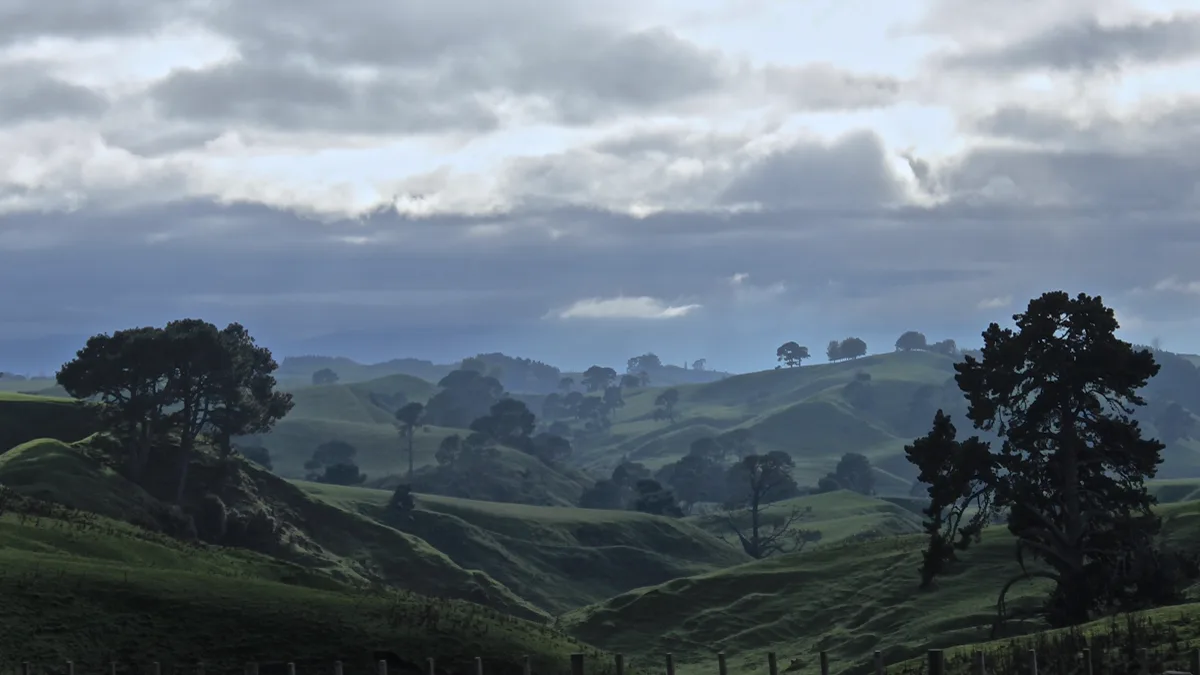
Which Lord of the Rings Movies in Order Sequence Is Best for You?
Choosing the ideal lord of the rings movies in order pathway depends on your prior familiarity with Tolkien’s writing and your tolerance for extended screen runtimes. First-time viewers should experience the original trilogy in release order, while dedicated fans gain deeper appreciation through chronological viewing of the extended cuts.
Context determines satisfaction. While the six live-action films depict events spanning centuries, they were produced across two separate filmmaking eras with radically different visual aesthetics. Watching them out of sequence can alter dramatic tension and spoil subtle foreshadowing.
Just as following the physical landmarks on the geographical map of Middle-earth demands a clear route, approaching these epic films requires deliberate choices. Viewers generally select between three established pathways:
- The Theatrical Trilogy Order (The Purist Route): The three foundational films as shown in cinemas between 2001 and 2003. This sequence maintains award-winning editorial pacing and delivers emotional payoffs without narrative bloat.
- The Chronological Epic Order (The Historical Route): Beginning with the three prequel installments of The Hobbit (2012 to 2014) before entering the main trilogy. This approach mirrors the narrative progression of Tolkien’s published books.
- The Extended Scholar Order (The Ultimate Lore Route): All six films in their extended home-video cuts, totaling over twenty hours of screen time. This pathway incorporates lost songs, character backstories, and book-accurate lore expansions.
Our comparative film analyses in the Book vs Screen archive evaluate how screenplay adjustments compare with original literary source texts.
Why Is Theatrical Release Order Recommended for New Viewers?
Theatrical release order is strongly recommended for new viewers because Peter Jackson designed the original 2001 to 2003 trilogy as a self-contained narrative arc that introduces Middle-earth lore organically. Starting here ensures audiences form emotional bonds with Frodo and Aragorn before exploring digital prequel spectacles.
Pacing preserves emotional stakes. The original theatrical releases earned seventeen Academy Awards precisely because their theatrical cuts prioritized tight dramatic momentum. In retrospectives published by Empire Magazine, film editors emphasize that the theatrical cut of The Fellowship of the Ring establishes world mythology effortlessly through its opening prologue.
Here is the canonical release sequence that introduced global audiences to the cinematic third age:
- The Lord of the Rings: The Fellowship of the Ring (2001): Introduces the Shire, the dark history of the One Ring, the Council of Elrond, and the tragic fracturing of the fellowship at Amon Hen.
- The Lord of the Rings: The Two Towers (2002): Divides the narrative into three parallel journeys: Frodo and Sam guided by Gollum toward Mordor, Merry and Pippin rallying Fangorn Forest, and Aragorn defending the fortress of Helm’s Deep.
- The Lord of the Rings: The Return of the King (2003): Delivers the cataclysmic siege of Minas Tirith, the Battle of the Pelennor Fields, the desperate diversion at the Black Gate, and the final destruction of the Ring.
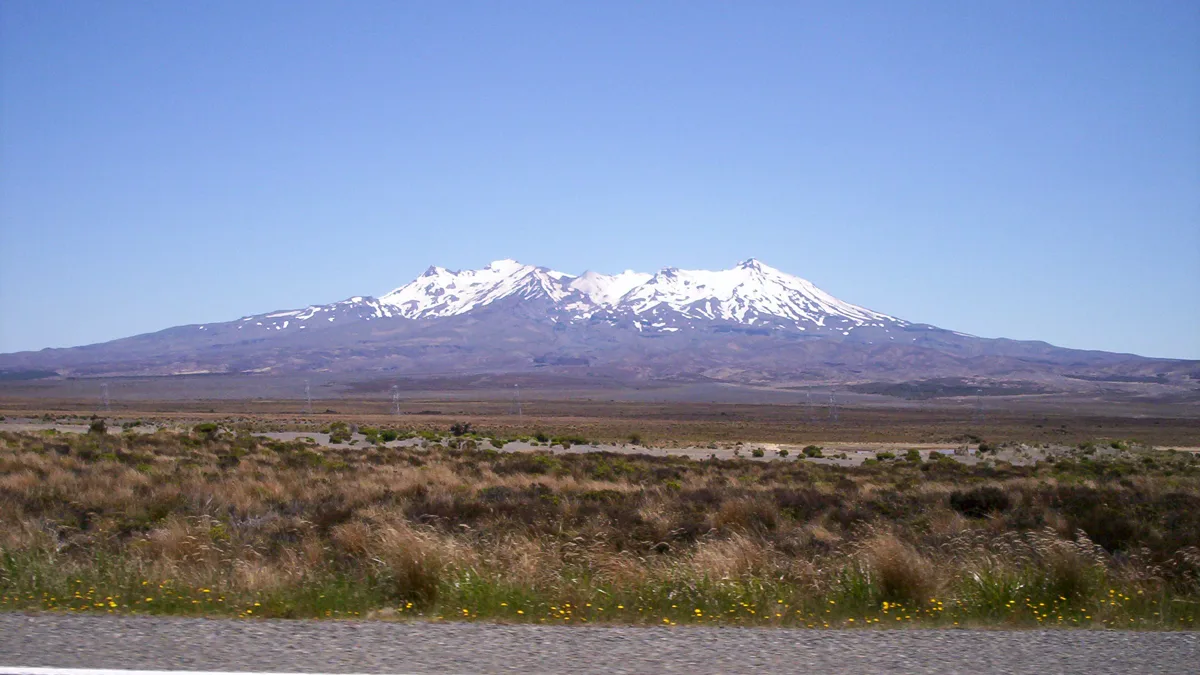
Beginning here avoids prequel fatigue. Watching the trilogy first gives viewers a masterclass in practical visual effects, physical armor design, and real New Zealand landscape cinematography before encountering the heavier computer-generated aesthetics of later films.

How Does Chronological Order Map Across the Cinematic Timeline?
Chronological viewing order maps the cinematic storyline from Bilbo Baggins’s initial journey to the Lonely Mountain in the late Third Age through to the final sailing from the Grey Havens sixty years later. This order places the three prequel films before the central trilogy.
History flows forward. By examining the narrative dates established across the chronological ages of Middle-earth, viewers see that Bilbo discovers the One Ring in Third Age 2941, while Frodo sets out from Hobbiton in autumn of 3018. The six live-action films map chronologically as follows:
- The Hobbit: An Unexpected Journey (2012): Chronicling Bilbo’s departure from Bag End alongside Thorin Oakenshield and thirteen dwarves, leading to his fateful riddle contest in Gollum’s subterranean cave.
- The Hobbit: The Desolation of Smaug (2013): Tracing the company’s hazardous march through Mirkwood, capture by Woodland Elves, and thrilling encounter with Smaug beneath the Lonely Mountain.
- The Hobbit: The Battle of the Five Armies (2014): Depicting the tragic climax of the dwarven reclamation, the fall of Smaug upon Lake-town, and the massive clash of armies outside the mountain gates.
- The Fellowship of the Ring (2001): Commencing sixty years after Bilbo’s return, detailing the passing of the Ring to Frodo and the formation of the nine walkers.
- The Two Towers (2002): The middle chapter chronicling the war in Rohan and the corruption of Gollum as he guides the hobbits toward the secret stair.
- The Return of the King (2003): The culmination of the Third Age, ending with the coronation of King Elessar and the departure of the Ring-bearers into the West.
While chronological viewing provides continuous in-universe history, viewers must prepare for the dramatic shift in tone. The prequel films feature lighter fairy-tale slapstick and extensive high-frame-rate digital action sequences that contrast sharply with the grounded grit of the original trilogy.
What Are the Runtime Differences Between Theatrical and Extended Cuts?
The runtime differences between theatrical and extended cuts amount to more than two hours of additional narrative footage across the main trilogy, expanding total viewing time from nine hours and eighteen minutes to eleven hours and twenty-six minutes. Each extended scene enriches background character motivations.
Runtime demands endurance. Viewers planning home cinema marathons must account for substantial differences in pacing and physical viewing commitment. Official classification records from the British Board of Film Classification establish the following verified durations:
| Film Title | Theatrical Cut | Extended Cut | Added Footage | Significant Restored Lore |
|---|---|---|---|---|
| The Fellowship of the Ring | 178 minutes | 208 minutes | +30 minutes | Extended Shire introduction, gift-giving in Lothlorien, midges in Midgewater |
| The Two Towers | 179 minutes | 223 minutes | +44 minutes | Boromir and Faramir flashback at Osgiliath, Huorn intervention at Helm’s Deep |
| The Return of the King | 201 minutes | 251 minutes | +50 minutes | Saruman’s confrontation at Orthanc, Mouth of Sauron, Houses of Healing |
| An Unexpected Journey | 169 minutes | 182 minutes | +13 minutes | Expanded Rivendell songs, goblin city market festivities, Bilbo exploring Bag End |
| The Desolation of Smaug | 161 minutes | 186 minutes | +25 minutes | Beorn introduction in daylight, Thrain’s tragic fate in Dol Guldur dungeons |
| The Battle of the Five Armies | 144 minutes | 164 minutes | +20 minutes | Dwarven chariot war sequence, gruesome orc ballista battles, Dain’s defense |
Quality outweighs quantity. For experienced readers, the extended cut of The Return of the King provides vital emotional closure by properly resolving Saruman’s villainy at Isengard. However, casual viewers often find the added fifty minutes cumbersome during an evening viewing.
Where Does the 1978 Ralph Bakshi Animated Adaptation Fit?
The 1978 Ralph Bakshi animated adaptation represents an important historical milestone produced outside modern live-action continuity. Running 133 minutes, this pioneering animated feature covers the storyline of The Fellowship of the Ring and the first half of The Two Towers.
Innovation inspired successors. Bakshi utilized rotoscoping techniques, filming live actors in costume on soundstages before tracing the footage onto animation cels. While financially successful upon release, United Artists declined to fund the planned sequel, leaving the narrative unresolved following the victory at Helm’s Deep.
In subsequent audio commentaries, Peter Jackson noted that Bakshi’s creative visual staging directly influenced several iconic live-action sequences. The scene where the four hobbits hide beneath an earthen tree root while a black rider sniffs the air is a direct visual tribute to Bakshi’s 1978 composition.
Cinematic Adaptation Myths vs Filmmaking Facts
| Popular Assumption | Filmmaking Reality | Production Evidence |
|---|---|---|
| Extended editions represent the definitive director’s cut | Peter Jackson considers the theatrical cuts his definitive cinematic versions, regarding the extended editions as special gifts for book devotees. | Director’s audio commentary, New Line Home Video |
| The entire trilogy was filmed sequentially in three years | Principal photography for all three original films occurred simultaneously in New Zealand over 274 consecutive days from 1999 to 2000. | New Line Cinema production logs and cast journals |
| The films shot exclusively on private film soundstages | Over 150 real outdoor wilderness locations across New Zealand were utilized, requiring Department of Conservation permits. | New Zealand Film Commission location archives |
| Streaming services always carry extended cuts | Digital streaming platforms frequently rotate between theatrical and extended licenses. Home media discs remain the only permanent source. | Distributor licensing records |
Frequently Asked Questions About the Lord of the Rings Movies
Should a first-time viewer watch the theatrical or extended editions?
First-time viewers should always watch the theatrical editions. The theatrical cuts offer tighter cinematic pacing, superior dramatic momentum, and an award-winning narrative balance that prevents marathon fatigue while delivering every essential emotional beat.
Do you need to watch The Hobbit trilogy before The Lord of the Rings?
No, you do not need to watch The Hobbit first. In fact, most film critics recommend watching The Lord of the Rings first because the original trilogy introduces the rules, geography, and tone of Middle-earth far more effectively than the heavily digital prequel adaptations.
How many total hours does it take to watch all extended editions?
Watching the extended cuts of all six Middle-earth films requires approximately twenty hours and twenty-eight minutes of screen time. The original trilogy alone accounts for eleven hours and twenty-six minutes, making it best enjoyed across multiple consecutive evenings.
Does the animated 1978 movie finish the complete story?
No, Ralph Bakshi’s 1978 animated film ends abruptly after the Battle of Helm’s Deep. A planned second part was never greenlit by the studio, although Rankin and Bass produced an unrelated television special, The Return of the King, in 1980.
Where can you legally stream the extended editions?
Streaming platform licenses rotate regularly across international territories. Check your preferred digital storefront (such as Apple TV or Amazon) for digital rentals, or acquire physical 4K Ultra HD Blu-ray discs for permanent high-bitrate access.
How we researched this: Runtimes and scene breakdowns were verified against classification records from the British Board of Film Classification (BBFC) and official home entertainment releases. Director commentary tracks by Peter Jackson and archival retrospectives from Empire Magazine provided context on editing choices and sequence design.